
This article is available in English and Armenian.
On October 1st, 2021 Amassia Niziblian, a 21-year-old Armenian-Canadian artist, debuted her very first solo art exhibition at the Hay Art Cultural Center in downtown Yerevan.
From a very young age, Amassia has been invested in art, starting her training at the Henrik Igityan National Center for Aesthetics at the early age of six. Later on, when she attended Mika Art Studio, she learned how to freely express her creativity. When she spent her summers with her family in Montreal, Amassia attended art classes at the Musee des Beaux-Arts. When Amassia realized that she wanted to pursue art, she became a student of Ararat Minasyan, an Armenian-based contemporary artist, until she was accepted at the British University in the Czech Republic to study fine arts and experimental media.
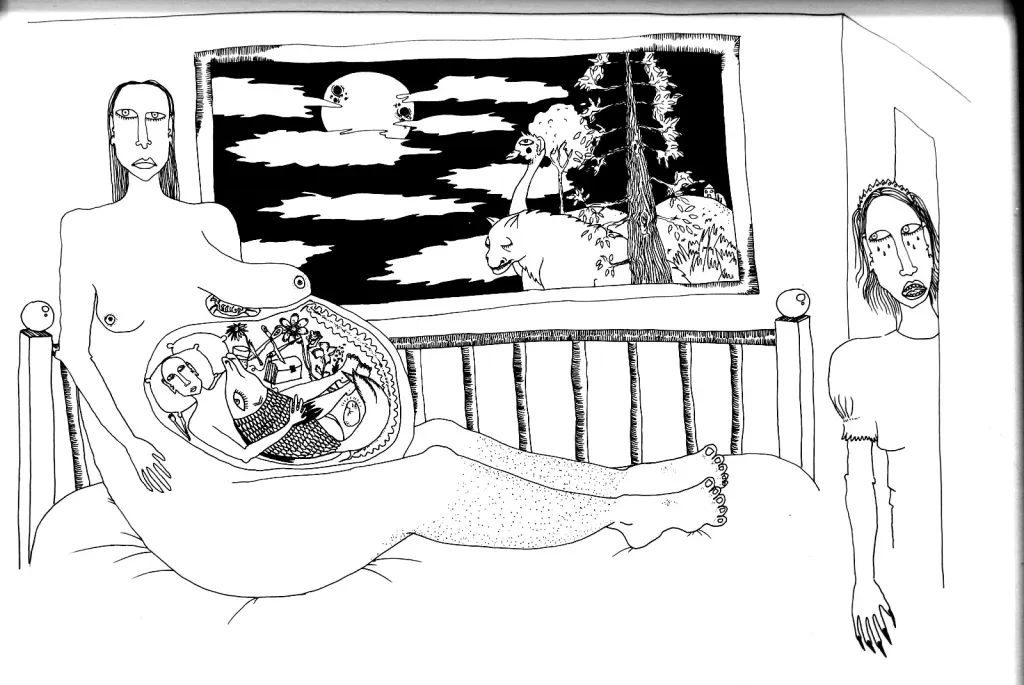
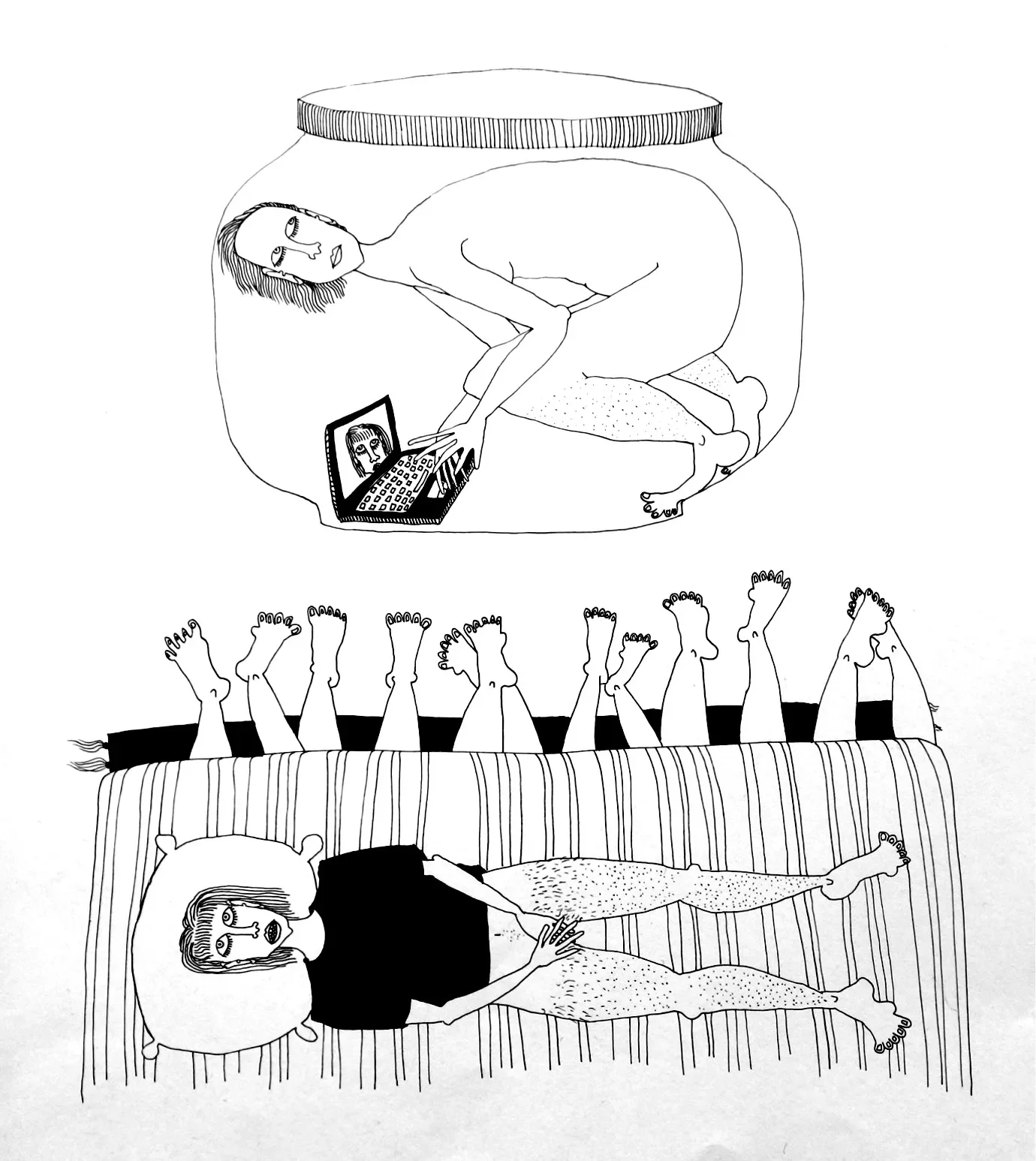
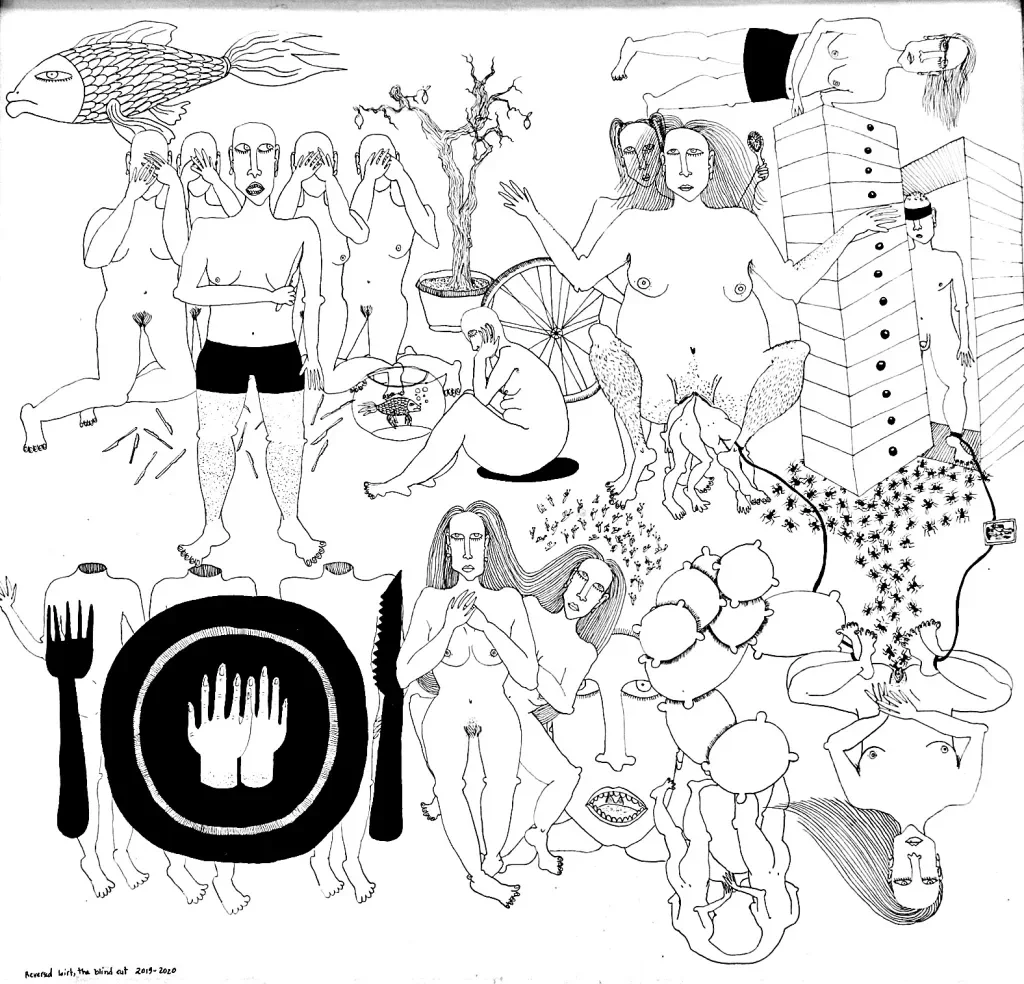
In this exhibition, Amassia selected events from her diary and put them into a bigger format, since most of her art draws from her personal diary. She also stated that her pieces are infused with her Armenian culture, as it is an important part of her identity.
“I might not use traditional elements or colors, but the reality of Armenia is in most of the pieces somehow,” she said. A large number of the illustrations are memories from Armenia, and are based on her experiences in the Armenian community, stated the young artist.
When asked about the reason she decided to share her illustrations with the public, Amassia said that she was curious to see how others would perceive them.
“I thought it might be very unclear for the public at first, as each piece is a visualization of my memory,” she said.. “But on the other hand, through this exhibition I can let other people interpret and understand them in a way I never even thought of.”
Over the years, Amassia appreciated and was influenced by the works of many different artists, such as Tracy Emin and Mona Hatoum. She recently discovered NINA, an Armenian artist who is based in France.
“Her way of using the 3D surface for illustration is an interesting element,” Amassia remarked.
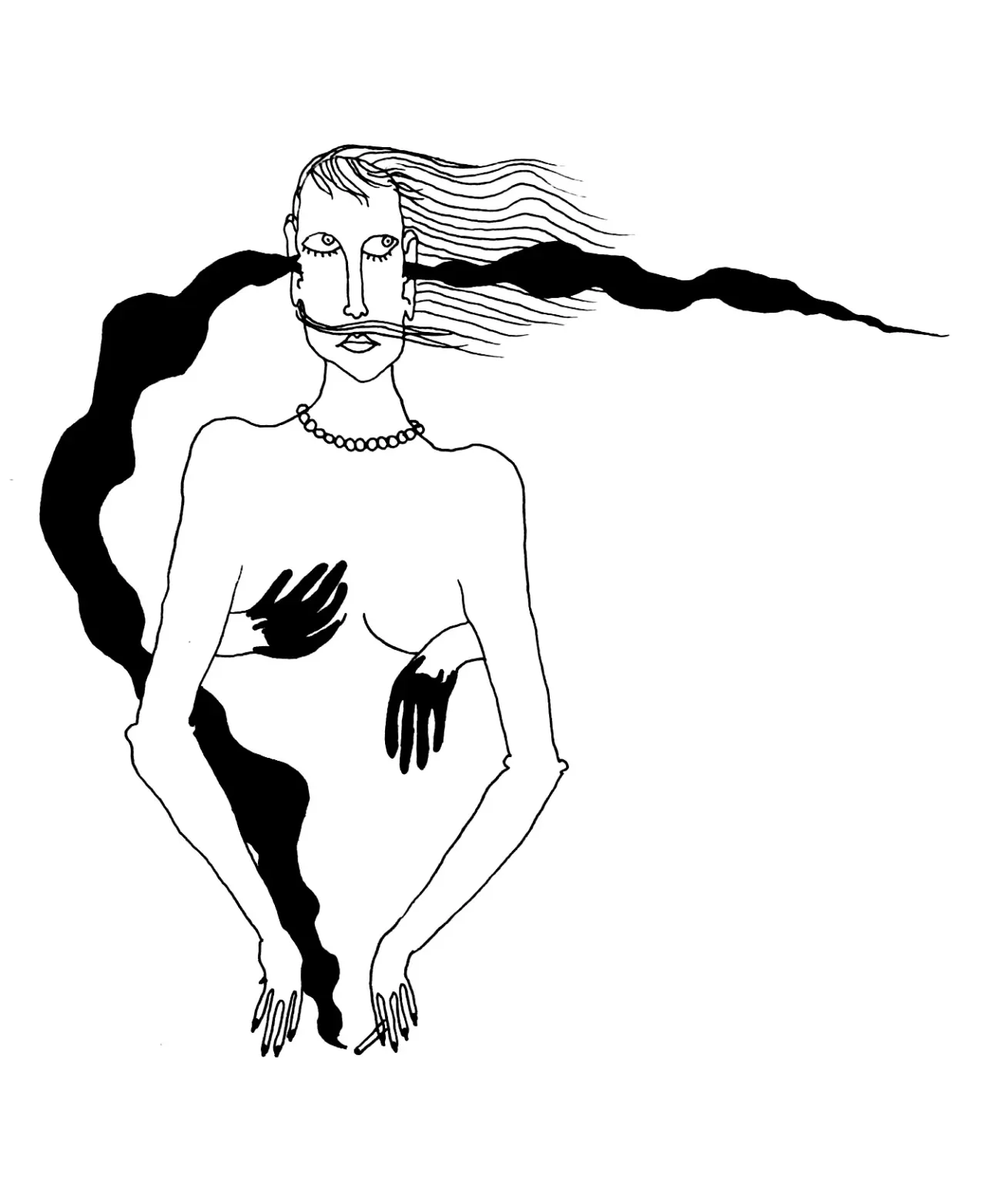
The artist mentioned that she expresses herself through the feminine form and by breaking down gravity in each frame. When asked about the themes of her illustrations, Amassia mentioned that she highlighted a lot of the issues that she, and presumably a lot of other young women go through, in a personal and discrete way. She believes that identity is one of the major themes in her collection; her identity as a woman, how she is perceived, and how her environment affects her.
All but two of Amassia’s illustrations were mostly in black and white. Amassia said that she uses black on white paper because it reminds her of note-taking, and she wanted to have the lines present in her work as a reference to diary keeping.
“There are some works where I have used red. I work very intuitively and I felt that I must use the color to give a certain part of the drawing a sense of division,” she said.
She also mentioned that the color red mostly symbolizes an outside factor or anything she finds unclear.
In addition to the illustrations, Amassia included three videos in the exhibition, two of which are also in diary format. In those two videos, she used many layers of editing to create a sense of collage. The diary videos are made up of short bits that she had recorded over the course of a month. The artist explained that the first one is about the struggles and benefits of isolation during the pandemic; it is a game between selves and action. The second video diary is about the war and the way it changed the values of Armenian society. It is also about how war becomes a part of a person’s identity, how the world is perceived and how people perceive themselves. The third video is a recording of a live performance. The artist used projectors and sandwich paper to create analog layers. The video is an investigative work about a woman who was a victim of domestic violence and the guilt women feel afterwards.
The exhibition was funded by the Women’s Fund Armenia and Amassia’s works were on display in Hay Art Cultural Center for a week, from October 1-8. Now, her works can be found on her Instagram page “iamveribizi”. All of the 22 illustrations from the exhibition were for sale, as Amassia believes that others can emotionally connect with them and interpret them in their own way.
«Ինքս ինձ իմ կողմից»․ Ամասիա Նիզիբլյանի առաջին անհատական ցուցահանդեսը
2021թ․ հոկտեմբերի 1-ին 21-ամյա կանադահայ նկարիչ Ամասիա Նիզիբլյանն իր առաջին անհատական ցուցահանդեսով ներկայացավ Երևանի ՀայԱրտ մշակութային կենտրոնում։
Շատ երիտասարդ տարիքից Ամասիան ներդրվել է արվեստում՝ սկսելով սովորելը Հենրիկ Իգիթյանի անվան Գեղագիտության ազգային կենտրոնում դեռևս 6 տարեկանում։ Ավելի ուշ, երբ նա հաճախում էր Միկա Արտ Ստուդիո, սովորեց, թե ինչպես ազատորեն արտահայտել իր ստեղծարարությունը։ Իսկ ամառներն ընտանիքի հետ Մոնրելաում անցկացնելիս Ամասիան արվեստի դասերի էր հաճախում Մոնրեալի գեղարվեստի թանգարանում (Musee des Beaux-Arts)։ Երբ գիտակցեց, որ ուզում է արվեստով զբաղվել, սկսեց ուսանել հայաստանաբնակ ժամանակակից արտիստ Արարատ Մինասյանի մոտ, այնուհետ ընդունվեց Պրահայի բրիտանական համալսարան՝ գեղարվեստ և փորձարարական մեդիա ուսանելու։
Այս ցուցահանդեսի համար Ամասիան ընտրել է իր օրագրի որոշ իրադարձությունները և դրանք ներկայացրել ավելի մեծ ձևաչափով․ նրա աշխատանքների մեծ մասը անձնական օրագրից են։ Նա նաև նշում է, որ դրանք ներշնչված են հայկական մշակույթով, որն իր ինքնության կարևոր մաս է։
«Գուցե ես չեմ օգտագործում ավանդական տարրեր ու գույներ, բայց Հայաստանի իրականությունն այս կան այն կերպ արտացոլված է աշխատանքներումս», ասում է նա։ Նկարների մի մեծ հատված Հայաստանի հետ կապված հիշողություններ են, որոնց հիմքում հայ համայնքում իր փորձառություններն են, ասում է երիտասարդ արտիստը։
Երբ հարցրինք, թե ինչն էր պատճառը, որ նա որոշեց ներկայացրել իր աշխատանքները հանրությանը, Ամասիան պատասխանեց, որ իրեն հետաքրքիր էր տեսնել, թե ինչպես մարդիկ կընկալեն դրանք։
«Ես մտածեցի, որ հանրության համար սկզբում շատ անհասկանալի կլինի, քանի որ յուրաքանչյուր աշխատանք իմ հիշողության վիզուալացումն է», ասում է նա, «Բայց, մյուս կողմից, այս ցուցահանդեսի միջոցով ես կարող եմ թույլ տալ մարդկանց մեկնաբանել ու հասկանալ դրանք այնպես, ինչպես ինքս երբեք չէի մտածի»։
Տարիներ շարունակ Ամասիան հիացել և ներշնչվել է տարբեր արվեստագետների աշխատանքներով, օրինակ՝ Թրեյսի Էմինի և Մոնա Հաթումի։ Վերջերս նա բացահայտել է ֆրանսաբնակ նկարչուհի ՆԻՆԱյին։
«Եռաչափ տարածքներն իլյուստրացիայի համար օգտագործելու նրա եղանակը հետաքրքիր տարր է», նշում է Ամասիան։
Նկարիչն ընդգծում է, որ ինքնարտահայտվում է կանացի ձևի միջոցով և յուրաքանչյուր շրջանակում ձգողականությունը կոտրելով։ Նկարների թեմաների մասին մեր հարցին Ամասիան պատասխանեց, որ դրանք արտացոլում են շատ խնդիրներ, որոնց ինքը և հավանաբար շատ երիտասարդ կանայք բախվել են, անձնական և դիսկրետ մակարդակներում: Նա վստահ է, որ ինքնությունն իր հավաքածուի հիմնական թեմաներից մեկն է, իր՝ որպես կին ինքնությունը, ինչպես է ինքն ընկալվում, և ինչպես է իր վրա ազդում իր միջավայրը։
Բացի երկու աշխատանքից, Ամասիայի բոլոր իլյուստրացիաները հիմնականում սև-սպիտակ են։ Ամասիան ասում է, որ սև գույնը սպիտակ թղթի վրա օգտագործում է, որովհետև դա իրեն հիշեցնում է նշումներ անելը, և նա ցանկացել է իր աշխատանքներում գծեր պատկերել՝ որպես հղում օրագիր պահելուն։
«Կան գործեր, որտեղ կարմիր եմ օգտագործել։ Ես շատ ինտուիտիվ եմ աշխատում և զգում էի, որ պետք է այս գույնն օգտագործեմ՝ նկարի որոշակի հատված առանձնացնելու համար», ասում է նա։
Նա նաև նշում է, որ կարմիր գույնը հիմնականում խորհրդանշում է արտաքին աշխարհի գործոնը, կամ ինչ-որ բան, որ անորոշ է իր համար։
Բացի նկարներից, Ամասիան նաև երեք տեսանյութ է ներառել ցուցահանդեսում, որոնցից երկուսը նույնպես օրագրային ձևաչափի են։ Այս երկու նյութերը տեսախմբագրելիս նա շատ շերտեր է օգտագործել՝ կոլաժի տպավորություն ստեղծելով։ Օրագիր-տեսանյութերը փոքր կտորներից են կազմված, որոնք նա տեսագրել է մեկ ամսվա ընթացքում։ Նկարիչը բացատրում է, որ առաջինը համաճարակի ընթացքում մեկուսացման պայքարների և դրական կողմերի մասին է․ խաղ է տարբեր եսերի և գործողությունների միջև։ Երկրորդ տեսաօրագիրը պատերազմի մասին է և այն փոփոխությունների, որ պատերազմի հետևանքով տեղի են ունեցել հայ հասարակության արժեքներում։ Նաև այն մասին, թե ինչպես է պատերազմը դառնում անձի ինքնության մի մաս, ինչպես է ընկալվում աշխարհն ու ինչպես են մարդիկ ընկալում իրենք իրենց։ Երրորդ նյութը կենդանի ներկայացման տեսագրություն է։ Արտիստն օգտագործել արտապատկերիչներ և յուղաթուղթ՝ համօրինակ շերտեր ստանալու համար։ Տեսանյութը պատմում է մի կնոջ մասին, որն ընտանեկան բռնության զոհ է, և մեղքի, որ կանայք զգում են բռնության ենթարկվելուց հետո։
Ցուցահանդեսը ֆինանսավորվել է Հայաստանում կանանց հիմնադրամի կողմից։ Ամասիայի աշխատանքերը մեկ շաբաթվա ընթացքում (հոկտեմբերի 1-8) ցուցադրվում էին ՀայԱրտ մշակութային կենտրոնում։ Այժմ նկարչի աշխատանքները կարելի է գտնել Ինստագրամի նրա iamveribizi էջում։ Ցուցահանդեսի բոլոր 22 աշխատանքները վաճառվում էին, քանի որ Ամասիան հավատում է, որ դիտողը կարող է զգացական կապ զգալ դրանց հետ և իր կերպ մեկնաբանել դրանք։